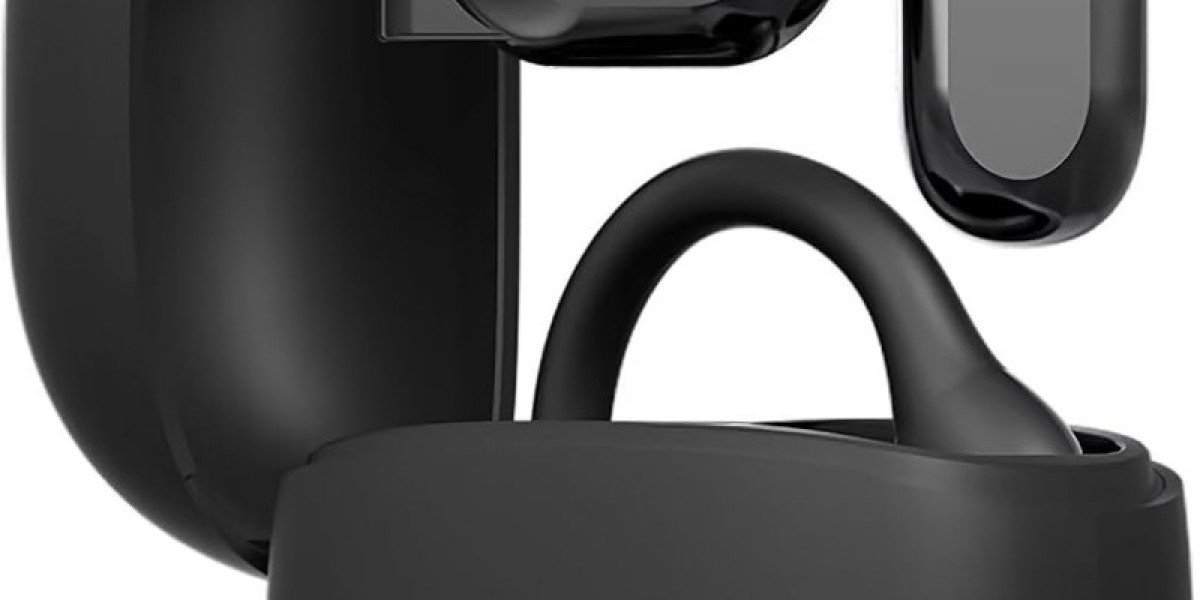

For decades, science fiction has promised us a world where language is no longer a barrier. From the "Babel Fish" in The Hitchhiker’s Information to the Galaxy to the "Universal Translator" in Star Trek, the idea of prompt, seamless communication in any tongue has been a dream.
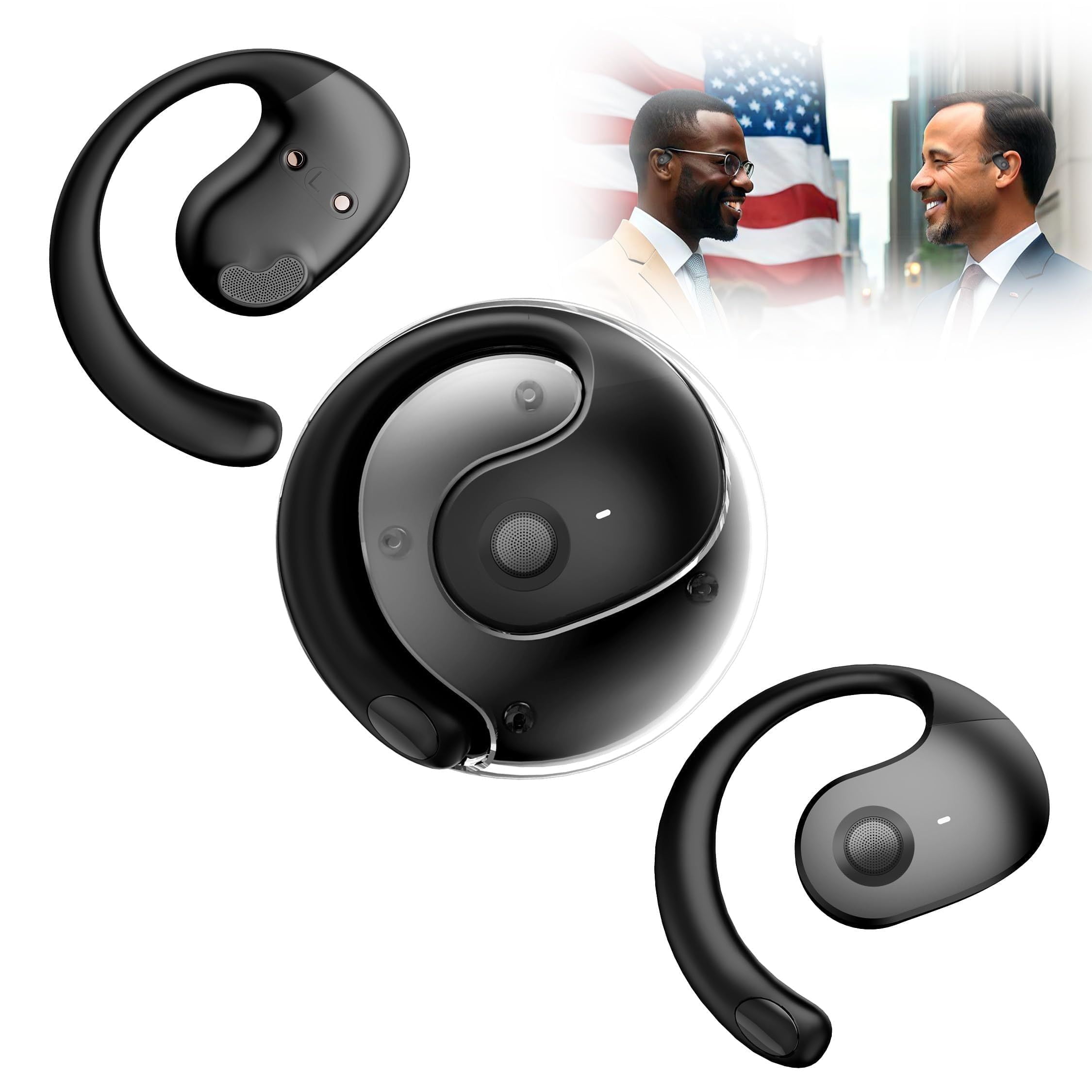
Quick forward to immediately, and that dream is sitting inside your ear canal.
Translator earbuds—like those from Timekettle, Google, and Samsung—have exploded in recognition. However how do these tiny units manage to take spoken Swahili and turn it into English in a matter of seconds?
It isn’t magic—it’s a sophisticated relay race between hardware, software program, and the cloud. Here is the step-by-step breakdown of how translator earbuds work.
1. Step one: Speech-to-Textual content (STT)
The method begins the second you start talking. The earbud’s microphone picks up your voice. Nevertheless, the gadget doesn't "understand" sound waves; it wants digital knowledge.
Utilizing a course of referred to as Speech-to-Text (STT), the audio is captured and filtered to take away background noise (like wind or site visitors). This "clean" audio is then transformed into digital text. This is often the most critical step—if the earbud can’t hear you clearly, the translation will be flawed from the beginning.
2. Step Two: The "Brain" in the Cloud (Machine Translation)
Most earbuds are too small to house a strong enough pc to translate languages regionally. As an alternative, they act as a bridge.
The digital textual content is sent via Bluetooth to an app in your smartphone. The app then sends that text to a excessive-powered server in the cloud. This is the place the Neural Machine Translation (NMT) engine lives.
In contrast to outdated-college translators that swapped words one-for-one (often resulting in "word salad"), NMT uses Synthetic Intelligence to understand context, idioms, and grammar. It appears to be like at the entire sentence to determine probably the most accurate that means earlier than converting it into the goal language.
3. Step Three: Textual content-to-Speech (TTS)
As soon as the server has the translated textual content, it sends it again to your telephone. The app then uses a Textual content-to-Speech (TTS) engine to show that textual content again into audio.
Trendy TTS has come a great distance from the robotic voices of the early 2000s. Today’s AI-pushed voices have pure inflection, rhythm, and tone, making the translation really feel extra like a human dialog and fewer like a GPS studying instructions.
4. Step Four: The Supply
The synthesized audio is beamed again to the earbuds by way of Bluetooth, and the listener hears the translation of their ear.
The overall time for this entire loop? In good conditions, it takes between 0.5 to 3 seconds.
Totally different Modes for various Wants
Not all conversations happen the same approach, so most translator earbuds provide completely different modes:
- Touch Mode: You faucet the earbud to talk, and tap once more when you’re completed. This is best translator earbuds 2026 for noisy environments.
- Pay attention Mode: The earbud constantly listens to a speaker (like a tour guide or a instructor) and gives a gradual stream of translation in your ear.
- Speaker Mode: You put on the earbuds, however your phone’s speaker performs the translation out loud so the opposite individual (who is not wearing an earbud) can hear what you said.
The current Challenges: Why Aren't They Good?
While the technology is spectacular, it nonetheless faces a couple of hurdles:
- Latency: Even a two-second delay could make a conversation really feel "stuttery." As 5G and faster processors turn out to be normal, this delay is shrinking.
- Internet Dependency: Because the heavy lifting occurs on cloud servers, most earbuds require an information connection. Some manufacturers supply offline language packs, but they're typically much less correct than their on-line counterparts.
- Slang and Accents: AI still struggles with heavy regional dialects or very informal slang. Nevertheless, because these techniques use "machine learning," they are getting smarter each day.
The future of Translation
We're quickly approaching a world where the "Common Translator" is a regular function of each pair of headphones. As on-system AI chips develop into more powerful, we will finally see earbuds that may translate in actual-time without needing a smartphone or an web connection at all.
Whether you're a frequent traveler, a world business skilled, or someone making an attempt to attach with members of the family who converse a distinct language, translator earbuds are greater than only a gadget—they are a bridge to a more linked world.
Have you tried translator earbuds but? Inform us about your experience in the comments!